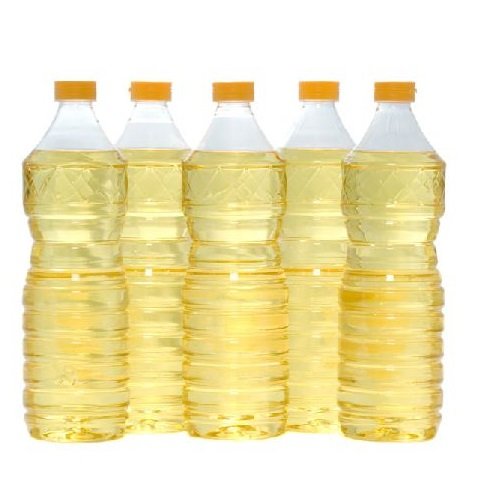
Flax Seed Oil
Specification :
- Palmitic acid: 6.0%
- Stearic acid: 2.5%
- Arachidic acid: 0.5%
- Oleic acid: 19.0%
- Linoleic acid: 24.1 %
- Linolenic acid: 47.4 %
- Other: 0.5 %
Opis
Flax Seed Oil, Also termed as simply flax oil or linseed oil, flax seed oil is amber colored oil extracted from linseed, the dried ripe seeds of the flax plant (linum usitatissimum, linaceae). It is obtained by the process of hydraulic pressing, followed by an optional stage of solvent extraction. Cold-pressed oil obtained without solvent extraction is marketed as flax seed oil. Being an excellent source of protein, potassium, and beta-carotene, this nutty flavor and delicate oil has been widely used in various forms since innumerable.
Linseed Oil V/s Flax Seed Oil
There is a difference between linseed oil and flax seed oil. Although both oils come from the same seed, they are treated differently. Flax seed oil is raw, cold-pressed linseed oil, and it is often sold as a dietary supplement. Linseed oil is heated and subjected to chemical treatment, and it is not safe to consume.
Flax Seed Oil Constituents
Flax Seed contains omega-6 and omega-9 essential fatty acids, B vitamins, potassium, lecithin, magnesium, fiber, protein, zinc and also provides approximately 50% more omega-3 oils. Research and findings suggest that Omega-3 fatty acids helps in lowering cholesterol and blood triglycerides, and prevent clots in arteries, which may result in strokes, heart attacks and thromboses. The following table demonstrates fatty acids concentration in flax seed oil:
Attributed Medicinal Properties
Some researchers and scientists believe that it could be the most important health-promoting supplement next to a multi-vitamin. This oil is a panacea remedy for almost every system, right from the cardiovascular system, immune system and circulatory system to the reproductive and nervous system.
This natural source of nutrients possess many health benefits. It helps in:
- Protecting the body against high blood pressure, inflammation, water retention, sticky platelets and lowered immune function
- Shortening recovery time for fatigued muscles after exertion
- Increasing the body’s production of energy and also increases stamina
- Accelerating the healing of sprains and bruises
- Easing weight loss in people afflicted with obesity
- Stimulating brown fat cells and increases the metabolic rate making it easier to burn off fat
- Improving the absorption of Calcium
- Strengthening finger and toenails
- Improving eyesight and perception of colors
- Improving the function of the liver
- Relieving the side effects and stop development of many forms of cancer, and many more.
Other Uses
It is also used in variety of other purposes including:
- Animal feeds
- Sealants
- Caulking compounds
- Linoleum
- Earthen floors
- Adobe
- Textiles
- Bicycle maintenance as a thread fixative, rust inhibitor and lubricant
- Leather treatment
- Polishes, varnishes and oil paints
- Composition ornament for moulded decoration
- Animal care products
- Wood preservation
- Industrial lubricant, to name a few.
Related products
- Add to WishlistAdd to Wishlist
- Add to WishlistAdd to Wishlist
- Add to WishlistAdd to Wishlist
- Add to WishlistAdd to Wishlist
 Polski
  English